How to Choose Healthy Protein Bars and High Protein Snacks for Everyday Life
You know the feeling: you're hungry between meals, short on time, and the easiest option is usually something that leaves you hungry again soon after.
You know the feeling: you're hungry between meals, short on time, and the easiest option is usually something that leaves you hungry again soon after. A vending-machine snack might be convenient, but convenience doesn't always mean it's a satisfying choice.
That's why more people are turning to Healthy Protein Bars and High Protein Snacks for busy mornings, work breaks, travel, workouts, and those moments when a full meal simply isn't practical.
But there's an important catch: not every protein bar deserves to be called a healthy choice. Some are packed with unnecessary ingredients, while others may contain plenty of protein but fail to deliver the taste or texture you actually want.
The solution is to stop judging snacks by the word "protein" alone and learn what makes one genuinely useful for your routine.
What Makes a Protein Snack a Smart Choice?
A good protein snack should do more than look impressive on the nutrition label. It should fit your lifestyle, provide a meaningful amount of protein, taste enjoyable, and contain ingredients you are comfortable eating regularly.
When comparing Healthy Protein Bars, start by looking at four things:
Protein content: Check how much protein each serving actually provides.
Ingredient list: A shorter, recognizable ingredient list can make it easier to understand what you're eating.
Sugar and sweeteners: Compare different products rather than assuming every protein bar has the same nutritional profile.
Convenience: The best snack is one you'll actually keep available and eat when needed.
There's no universal "perfect" protein bar. Your ideal choice depends on your dietary preferences, activity level, hunger, and overall eating pattern.
Common Problems With Protein Snacks
They Can Be Surprisingly High in Sugar
Some snack bars are closer to candy bars with added protein than everyday nutritional staples.
That doesn't automatically make them bad, but it does mean you should read the entire nutrition label rather than choosing a product simply because the packaging says "high protein."
The Protein Content Varies Dramatically
Two bars sitting next to each other on a store shelf can contain very different amounts of protein.
If protein is the main reason you're buying the snack, compare the grams per serving. Don't assume that every product marketed as a protein bar provides a meaningful amount.
Some Bars Rely on Long Ingredient Lists
A long ingredient list isn't automatically a problem, but it can make it harder to understand what you're buying.
If you're looking for Healthy Protein Bars, consider products built around recognizable food ingredients and protein sources that align with your preferences.
Taste Is Often Overlooked
Even the most carefully formulated snack won't become part of your routine if you dislike the flavor or texture.
Taste matters because consistency matters. A snack you genuinely enjoy is much more likely to become a practical part of your everyday routine.
How to Choose Better High Protein Snacks
1. Match the Snack to the Situation
Think about when you'll actually eat it.
For example, you might want something portable for commuting, something convenient after exercise, or something you can keep in your desk drawer.
This can help you avoid buying snacks based purely on marketing.
2. Compare Protein Per Serving
Don't just look for the words "protein-rich."
Check the actual nutrition panel and compare products on a per-serving basis. This gives you a much clearer picture of what you're getting.
3. Read the Ingredient List
Look beyond the front of the package.
Consider the main protein source, sweeteners, oils, added ingredients, and anything you personally prefer to avoid. If you have allergies or dietary restrictions, always check the complete ingredient and allergen information.
4. Don't Ignore the Rest of Your Diet
A protein bar is a snack not necessarily a replacement for a varied diet.
The most useful High Protein Snacks can complement meals that already include whole foods such as vegetables, fruits, grains, dairy or alternatives, and other protein sources.
Think of the bar as a convenience tool rather than the foundation of your nutrition.
When Premium Protein Bars Can Be Worth It
Price isn't the only measure of value.
If you regularly rely on protein bars, investing in a product with a protein profile and ingredient approach that better matches your preferences can make sense.
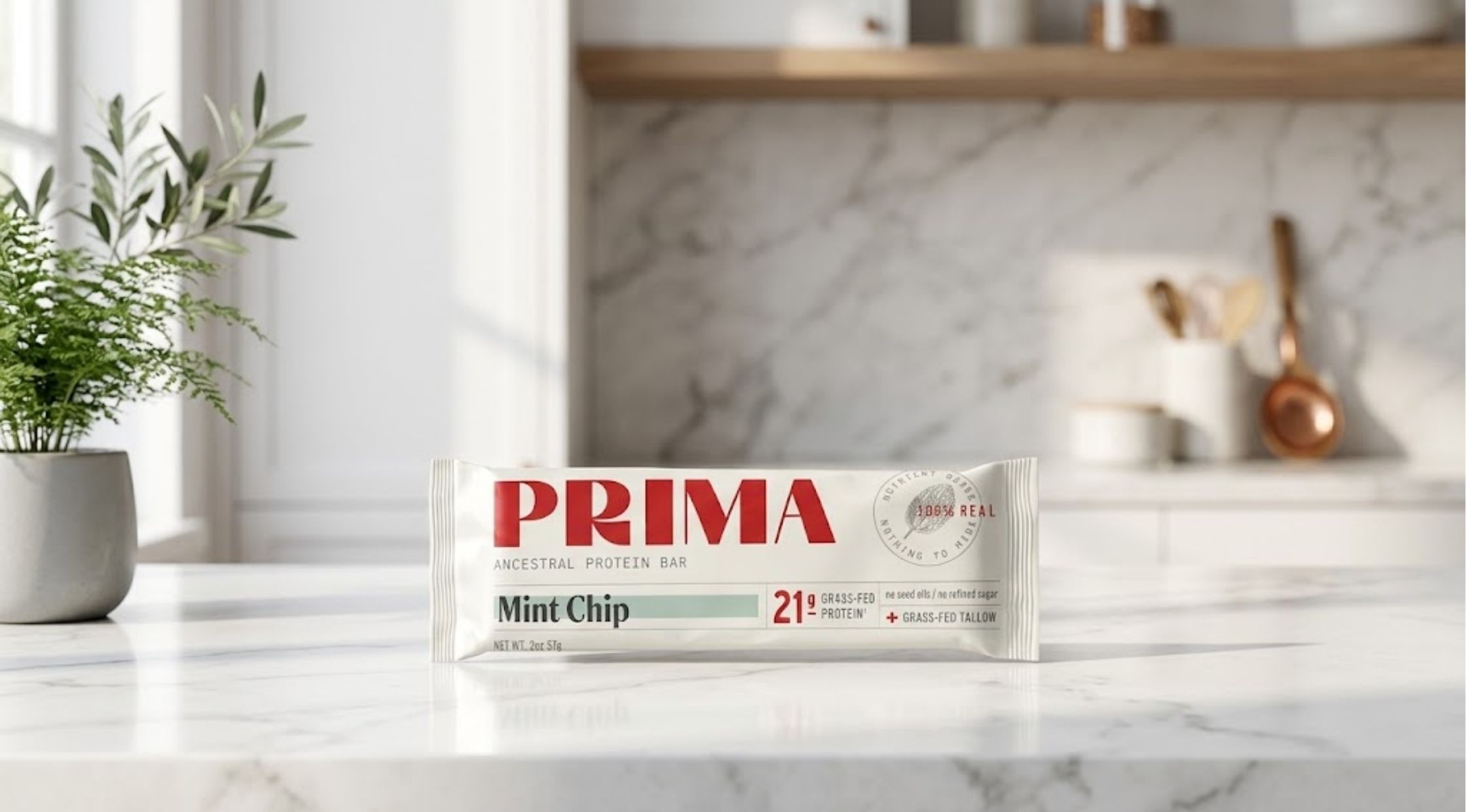
Eat PRIMA, for example, positions its bars around whole-food ingredients and uses protein from grass-fed whey and bovine collagen. Its bars provide 21 grams of protein per bar, with several flavors available.
The advantage of this type of product isn't simply having a higher price tag. It's having a convenient option that is designed around specific ingredient and nutrition priorities.
Benefits of Upgrading Your Snack Routine
Choosing better Healthy Protein Bars can make everyday eating more convenient without requiring complicated meal preparation.
Convenience Without Much Preparation
A bar can be stored in a bag, desk, car, or gym kit and eaten when you need something quick.
Easier Protein Planning
If you're trying to include more protein across your day, a clearly labeled bar makes it easier to know approximately how much you're getting from the snack.
More Consistent Choices
Keeping a few quality options available can reduce the temptation to grab whatever happens to be closest when hunger hits.
Better Alignment With Your Preferences
Premium products often differentiate themselves through their ingredients, sourcing, formulation, or flavor options. That can be valuable if you have specific standards for what you want to eat.
Eat PRIMA's approach focuses on what it describes as ancestral protein bars made with 10 whole-food ingredients, giving shoppers an alternative to conventional bars with more complicated formulations.
A Simple Checklist Before Buying
The next time you're shopping for High Protein Snacks, ask:
How much protein does it contain?
Look at the actual number rather than relying on marketing language.
Do I recognize the main ingredients?
Read the ingredient list instead of judging the product by its front label.
Does it fit my preferences?
Consider sugar, sweeteners, allergens, dietary restrictions, and ingredients you prefer to avoid.
Will I actually enjoy eating it?
Flavor and texture matter if you want a snack to become part of your routine.
Is the price reasonable for how often I'll use it?
A premium snack can be worthwhile if you regularly depend on it and value its formulation.
Final Thought
Finding better Healthy Protein Bars doesn't require obsessing over every number on the nutrition label. It simply requires looking beyond the marketing and considering protein content, ingredients, taste, convenience, and how the product fits into your overall eating habits.
The same principle applies when choosing High Protein Snacks in general. The best option is one that solves a real problem in your routine without creating another one.
For shoppers who want a more ingredient-conscious protein bar, Eat PRIMA offers a convenient option built around its whole-food ingredient approach and substantial protein content.
Ultimately, the smartest snack is one that fits your lifestyle and dietary preferences. Keep a few reliable options within reach, read the labels, and choose quality based on what actually matters to you not simply what the packaging promises.
Subscribe
You will receive the latest news and updates on your favorite celebrities!
Latest posts
How to Choose Remineralizing Chewing Gum for Better Everyday Oral Care
You brush twice a day, floss when you can, and still find yourself wondering if you're doing enough for your teeth between meals.
How to Build Skincare for Acne Prone Skin That Actually Works
If you have acne-prone skin, you probably know the frustration of trying product after product only to end up with more redness, dryness, or another unexpected breakout.