How to Build Skincare for Acne Prone Skin That Actually Works
If you have acne-prone skin, you probably know the frustration of trying product after product only to end up with more redness, dryness, or another unexpected breakout.
If you have acne-prone skin, you probably know the frustration of trying product after product only to end up with more redness, dryness, or another unexpected breakout. And when breakouts seem to appear around your period, during stressful weeks, or along your jawline, finding the right routine can feel even more complicated.
The good news? Effective skincare for acne prone skin doesn't have to mean using the harshest products available. A smarter approach is to understand what may be triggering your breakouts, protect your skin barrier, and choose products that support your skin instead of overwhelming it.
Why Acne-Prone Skin Can Be So Difficult to Manage
One of the biggest mistakes people make is treating every breakout the same way.
Acne can be influenced by excess oil, clogged pores, dead skin cells, irritation, product ingredients, stress, and hormonal fluctuations. That's why a routine that works beautifully for one person may leave someone else feeling dry or irritated.
Common problems include:
- Using too many active ingredients at once
- Scrubbing the skin aggressively
- Switching products before giving themenough time
- Choosing heavy products that may clog pores
- Over-cleansing and damaging the skin barrier
- Ignoring potential hormonal patterns
If your breakouts repeatedly appear in similar areas or follow a monthly pattern, it may be worth paying closer attention to hormonal factors rather than simply adding another spot treatment.
Understanding Hormonal Breakouts
Hormonal fluctuations can affect oil production and the way your skin behaves. For some people, this can contribute to recurring blemishes, particularly around the lower face and jawline.
This is where hormonal acne skincare takes a slightly different approach.
Instead of focusing exclusively on drying out individual pimples, a well-designed routine should also consider hydration, barrier support, pore congestion, and the overall consistency of your skincare habits.
That doesn't mean every breakout is hormonal. Acne has many possible contributing factors, and persistent or severe acne is something you may want to discuss with a dermatologist or healthcare professional.
Build a Simpler Routine First
Before buying another shelf full of products, simplify your routine.
1. Start With Gentle Cleansing
A cleanser should remove excess oil, makeup, sunscreen, and daily buildup without leaving your face feeling tight or stripped.
If your skin feels uncomfortable immediately after cleansing, your routine may be too aggressive.
2. Be Careful With Exfoliation
Exfoliation can help improve the appearance of clogged pores and uneven texture, but more isn't necessarily better.
Introduce exfoliating products gradually and avoid combining several strong exfoliants at the same time. If your skin becomes persistently irritated, scale back and focus on barrier support.
3. Don't Skip Moisturizer
It's tempting to avoid moisturizer when your skin is oily or breaking out. However, dehydration and irritation can make your routine harder to manage.
Look for lightweight formulas designed with acne-prone skin in mind, particularly products that avoid ingredients known to clog pores.
4. Wear Sunscreen
Daily sunscreen is an important part of a complete routine, especially when you're using exfoliating products. Choose a formula you can comfortably wear consistently rather than one that makes you want to skip SPF.
Look Beyond the Spot Treatment
A major improvement in skincare for acne prone skin often comes from thinking about the entire routine instead of one individual blemish.
Ask yourself:
- Could one of my products be irritating my skin?
- Am I using too many active ingredients?
- Is my moisturizer appropriate for my skin?
- Do my breakouts follow a recurring pattern?
- Am I giving my routine enough time to work?
- Am I constantly changing products?
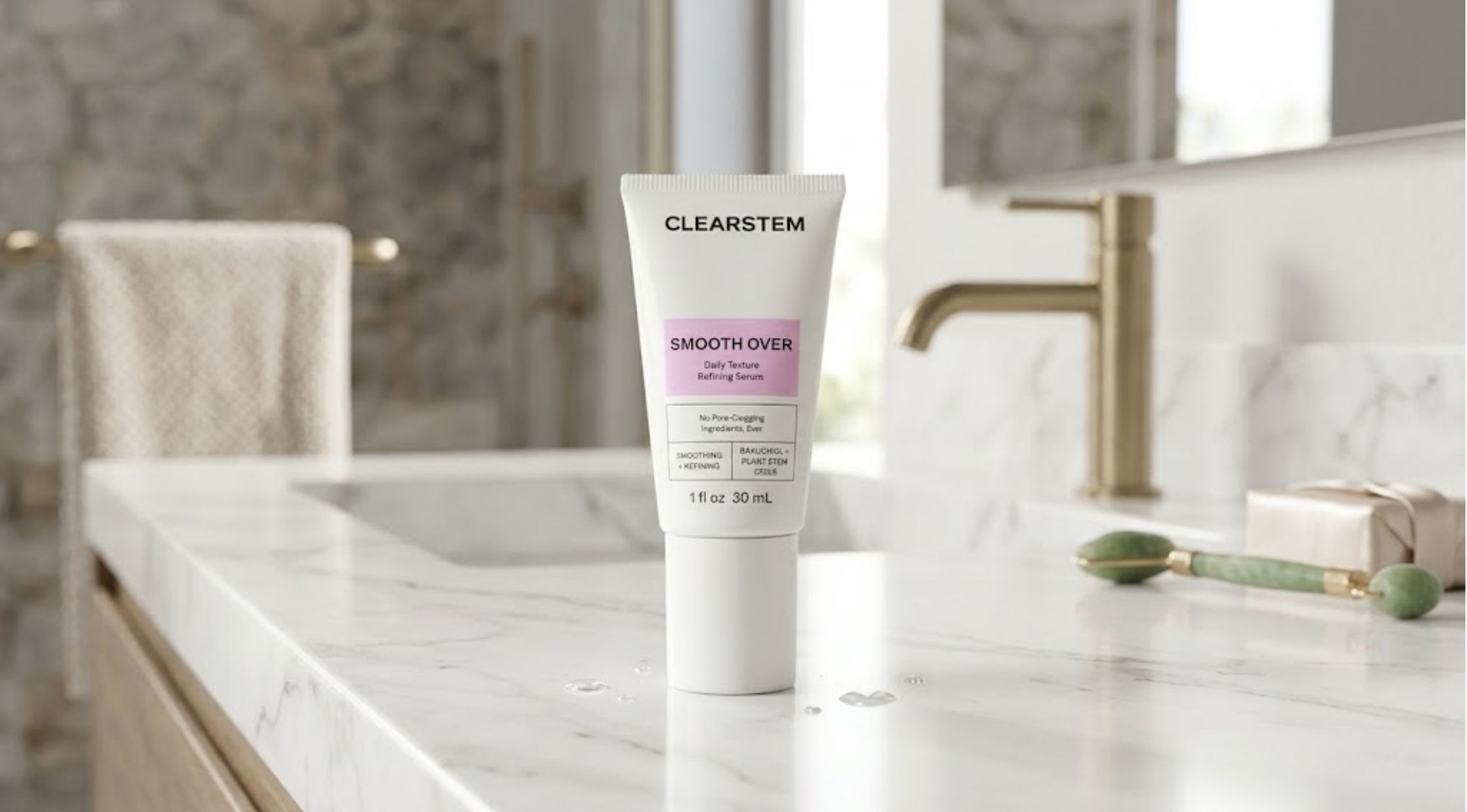
CLEARSTEM takes this broader approach by focusing on both internal and external factors while emphasizing formulas without pore-clogging ingredients. Its current range includes cleansers, exfoliating serums, moisturizers, sunscreen, and supplements designed around different skin concerns.
When a More Complete Routine Makes Sense
If your basic routine isn't enough, upgrading doesn't necessarily mean buying more products. It means choosing products that have a clear purpose and work together.
For example, CLEARSTEM's Active Breakout Routine combines CLEARITY® exfoliating serum, HYDRAGLOW moisturizer, and MINDBODYSKIN® to address different aspects of breakout-prone skin. The brand positions the routine as an internal-and-external approach to hormonal breakouts while also supporting hydration and the skin barrier.
HYDRAGLOW is particularly relevant if dryness is one of your concerns. The lightweight moisturizer is formulated with ingredients such as bakuchiol and squalane and is positioned by the brand as free from known pore-clogging ingredients.
For people specifically exploring hormonal acne skincare, MINDBODYSKIN® is a dietary supplement containing ingredients including DIM, vitamin B5, turmeric, glutathione, and vitamin A. However, supplements aren't appropriate for everyone, and CLEARSTEM states that MINDBODYSKIN® is not safe during pregnancy or breastfeeding. Anyone taking medication or managing a medical condition should consult a healthcare professional before starting a supplement.
What Makes an Upgrade Worth It?
A premium skincare routine should make your life simpler, not more complicated.
The biggest advantages can include:
Better ingredient selection: You can focus on products designed around your skin concerns rather than experimenting randomly.
A more consistent routine: Products with specific roles make it easier to know what you're applying and why.
Barrier-conscious care: Acne-prone skin still needs hydration and support. Constantly stripping the skin can make your routine harder to maintain.
A broader approach: Instead of treating every blemish as an isolated problem, you can consider pore congestion, hydration, irritation, and possible hormonal patterns together.
Most importantly, don't judge a routine solely by how aggressively it works. A routine that you can comfortably follow consistently is often more useful than one that leaves your skin irritated after a few days.
The Bottom Line
Finding effective skincare for acne-prone skin is less about discovering one magical product and more about building a routine that makes sense for your individual needs.
Start with gentle cleansing, appropriate hydration, sensible exfoliation, and daily sun protection. Then look at your breakout patterns and product ingredients to identify potential triggers.
If hormonal patterns are part of the problem, a more targeted hormonal acne skincare strategy may be worth considering. A thoughtfully designed routine, such as the approach offered by CLEARSTEM, can provide a more organized way to address several skincare needs without constantly switching between unrelated products.
The goal isn't perfect skin overnight. It's a routine you understand, trust, and can stick with long enough to see how your skin responds.
Subscribe
You will receive the latest news and updates on your favorite celebrities!
Latest posts
How to Choose Remineralizing Chewing Gum for Better Everyday Oral Care
You brush twice a day, floss when you can, and still find yourself wondering if you're doing enough for your teeth between meals.



How to Choose a Body Composition Scale for Smarter Health Tracking
Weight can be useful, but it doesn't tell the whole story.