How to Choose a Body Composition Scale for Smarter Health Tracking
Weight can be useful, but it doesn't tell the whole story.
You step on the scale, see the number, and wonder: Is this actually telling me whether I'm making progress?
Weight can be useful, but it doesn't tell the whole story. If you're exercising regularly, changing your diet, or trying to build muscle, the number on the scale may stay the same even while your body is changing. That can make it difficult to know whether your efforts are working.
This is where a Body Composition Scale can provide a broader perspective. Instead of focusing exclusively on weight, advanced devices can estimate metrics such as body fat, muscle mass, water composition, and other measurements.
But with so many smart scales available, how do you know which features actually matter?
Why Weight Alone Isn't Always Enough
Traditional scales answer one basic question: how much do you weigh?
That's useful information, but it doesn't distinguish between different components of your body. Two people can weigh exactly the same while having very different proportions of muscle, fat, and water.
The same person can also experience changes in body composition without seeing a dramatic change in total weight.
For someone working toward fitness or wellness goals, this can make progress frustrating to evaluate.
A Smart Body Scale can provide additional information, helping you look at trends rather than relying on a single number.
However, it's important to remember that consumer body-composition devices generally provide estimates rather than replacing professional clinical assessments. Consistent measurement conditions and long-term trends are more useful than obsessing over individual readings.
Common Problems With Basic Scales
You're Only Seeing One Number
If your goal involves changing body composition, weight alone may not provide enough context.
For example, someone following a strength-training routine may want to monitor changes in muscle mass as well as body weight. A basic scale cannot provide that additional perspective.
Daily Fluctuations Can Be Confusing
Your weight can naturally change from day to day due to factors such as hydration, food intake, exercise, and other normal variations.
Seeing a higher number one morning doesn't necessarily mean you've gained body fat.
This is why looking at trends over time is generally more useful than reacting to every individual measurement.
Progress Can Feel Invisible
When you're working consistently, but the scale doesn't appear to change, motivation can suffer.
Additional measurements can provide context around what's happening, although they should be treated as estimates and interpreted alongside other indicators such as fitness performance, measurements, habits, and how you feel.
What to Look for in a Body Composition Scale
Not every device offers the same capabilities. Before buying, consider the following features.
1. The Number of Useful Metrics
A basic Body Composition Scale might provide weight, BMI, body fat percentage, and perhaps a few additional measurements.
More advanced devices can provide substantially more data.
Think about which information you'll actually use. More metrics aren't automatically better if you don't understand them or never review them.
2. Measurement Consistency
Consistency is extremely important when tracking trends.
Try to measure under similar conditions each time for example, around the same time of day and using the same routine.
Even an advanced device can produce changing readings when measurement conditions vary significantly.
3. App Connectivity
A connected Smart Body Scale can make long-term tracking much easier.
Instead of manually recording every measurement, your data can be transferred to an app where you can review trends and changes over time.
This can be especially useful if you're already using fitness trackers or other health technology.
4. Multiple User Profiles
If you're sharing the device with family members, check how many profiles it supports and how easily each person can access their own data.
This small feature can make a significant difference to everyday usability.
How to Get More Meaningful Readings
Buying a sophisticated scale is only part of the process. How you use it matters too.
Measure Consistently
Choose a regular measurement routine and stick with it. Consistency makes it easier to identify genuine trends.
Focus on Trends
Don't let one unusual reading determine how you feel about your progress.
Instead, look at changes over several weeks or months.
Use Multiple Indicators
Body composition data should be considered alongside other information. Fitness performance, clothing fit, strength, energy levels, and other personal indicators can all contribute to a broader understanding of progress.
Avoid Chasing Every Metric
If your device provides dozens of measurements, you don't need to monitor all of them obsessively.
Choose a handful that are relevant to your goals and use them consistently.
When Is It Worth Upgrading?
If you're already using a basic scale and feel that it doesn't give you enough information, upgrading can make sense.
A more advanced Body Composition Scale can turn a simple weigh-in into a broader tracking routine.
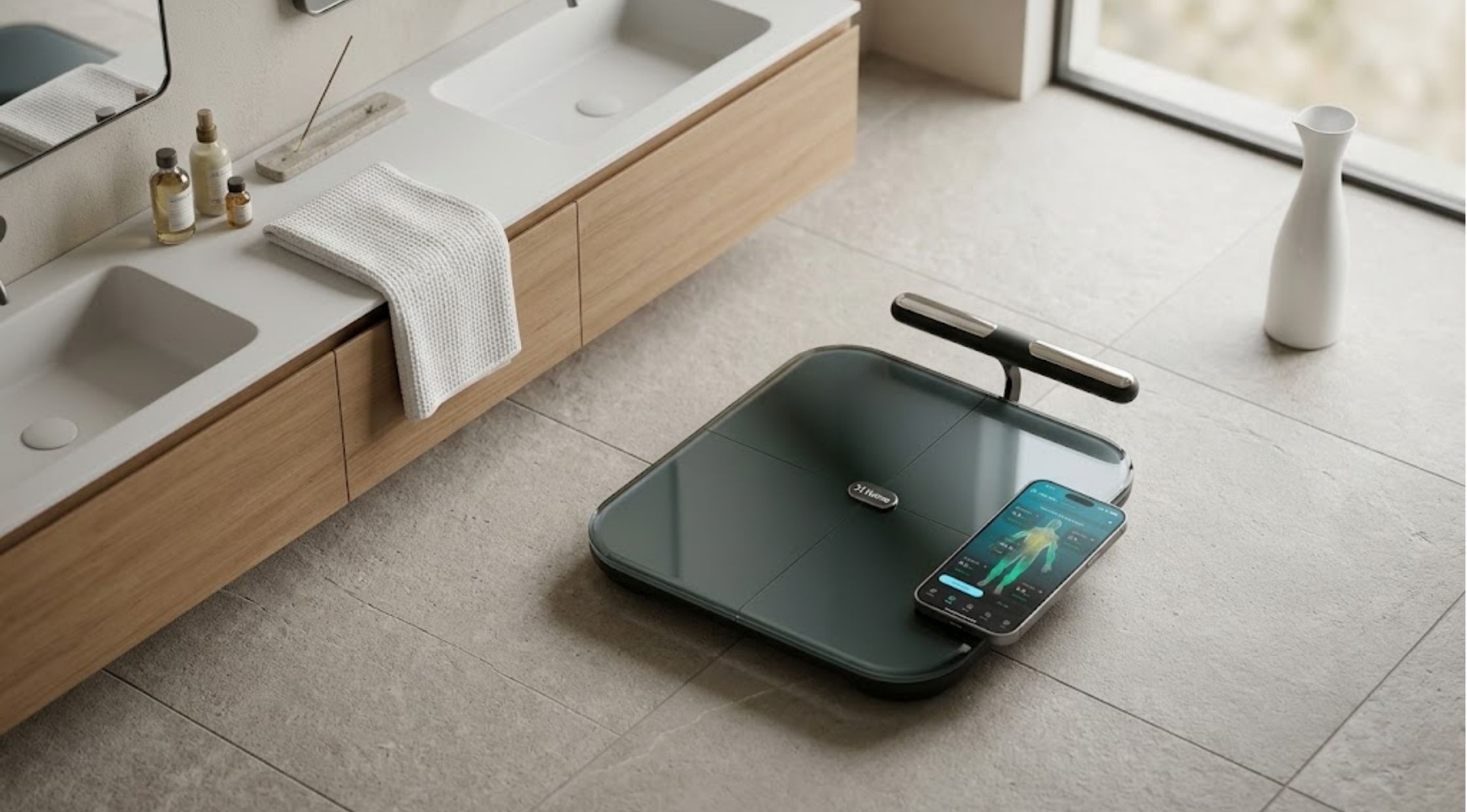
For example, Hume Health's Hume Pod is designed to measure 45 body-composition metrics, including body fat, muscle mass, water-related measurements, metabolic indicators, and other measurements. It uses eight-frequency sensors and combines the device with an accompanying app for tracking.
The benefit isn't simply having more numbers. It's having a way to monitor changes over time and put your weight into a broader context.
Why a Smarter Scale Can Be Valuable
A quality Smart Body Scale can offer several practical advantages.
Better progress tracking: You can look beyond weight and monitor additional body-composition estimates.
Greater convenience: Measurements can be taken at home rather than requiring frequent trips elsewhere.
Long-term visibility: Connected apps make it easier to review historical trends.
More informed decisions: Additional data can help you understand how your routine is changing alongside your measurements.
Greater motivation: Seeing gradual trends can be more encouraging than relying on a single daily number.
Hume Health also allows its app to connect with services and devices including Apple, Fitbit, and Garmin, making it possible to bring different aspects of your health data together.
Is a Premium Body Composition Scale Right for You?
You don't necessarily need the most advanced device available.
If you simply want to check your weight occasionally, a traditional scale may be perfectly adequate.
But if you're actively tracking fitness progress, changing your routine, building muscle, managing your weight, or simply interested in understanding more than your body weight, investing in a more advanced system may offer greater value.
The key is to choose a device whose information you will actually use.
Hume Health takes this approach with the Hume Pod, combining full-body measurements with app-based tracking rather than treating the scale as a standalone device. The company currently states that the Pod tracks 45 metrics and offers a free app, with optional premium features for additional coaching and reports.
Final Thoughts
A scale doesn't have to be just a device that tells you how much you weigh.
If you're trying to understand your progress more completely, a Body Composition Scale can provide additional context around measurements such as body fat, muscle mass, and water composition. The important thing is to focus on consistent measurements and longer-term trends rather than treating every reading as an absolute result.
When comparing a Smart Body Scale, look at the metrics, measurement approach, app experience, connectivity, user profiles, and overall ease of use. Most importantly, choose something that fits naturally into your routine.
For people who want more detailed at-home tracking, Hume Health offers a more comprehensive option through its Hume Pod and connected app.
The smartest approach isn't necessarily collecting the most data. It's choosing useful information, tracking it consistently, and using it to make more informed decisions about your everyday habits.
Subscribe
You will receive the latest news and updates on your favorite celebrities!
Latest posts
How to Choose Remineralizing Chewing Gum for Better Everyday Oral Care
You brush twice a day, floss when you can, and still find yourself wondering if you're doing enough for your teeth between meals.


How to Build Skincare for Acne Prone Skin That Actually Works
If you have acne-prone skin, you probably know the frustration of trying product after product only to end up with more redness, dryness, or another unexpected breakout.