5 Breathing Techniques to Reduce Stress Instantly
In moments of stress, anxiety, or mental overwhelm, one of the most powerful tools you have is right under your nose—your breath.
In moments of stress, anxiety, or mental overwhelm, one of the most powerful tools you have is right under your nose—your breath. Controlled breathing doesn’t just help you feel calmer; it also slows your heart rate, lowers blood pressure, and helps you regain clarity and focus in just a few minutes.
Whether you’re stuck in traffic, preparing for a big meeting, or winding down after a long day, these five simple and effective breathing techniques can help you feel better fast—no equipment, apps, or special settings required.
1. Box Breathing (Also Known as Square Breathing)
Best For: Instant calm, focus, and anxiety relief
Box breathing is a technique used by Navy SEALs and high-performers to stay calm under pressure. It involves four simple steps of equal duration, forming a mental “box” of breath.
How to Do It:
- Inhale through your nose for 4 seconds
- Hold your breath for 4 seconds
- Exhale slowly through your mouth for 4 seconds
- Hold again for 4 seconds
Repeat: 4–5 rounds or until you feel calm
Why It Works:
Box breathing regulates your nervous system, reduces adrenaline, and enhances concentration, making it ideal during stressful or high-stakes situations.
2. 4-7-8 Breathing
Best For: Sleep, anxiety relief, and deep relaxation
Popularized by Dr. Andrew Weil, the 4-7-8 method is a powerful relaxation technique rooted in yogic practices. It helps relax the nervous system and is especially effective before bed.
How to Do It:
- Inhale through your nose for 4 seconds
- Hold your breath for 7 seconds
- Exhale completely through your mouth for 8 seconds
Repeat: 4 cycles, increasing over time
Why It Works:
The longer exhale activates the parasympathetic nervous system (rest and digest), helping to release built-up tension and prepare the body for rest.
3. Diaphragmatic Breathing (Belly Breathing)
Best For: Long-term stress reduction, lowering heart rate, improving oxygen flow
Unlike shallow chest breathing, diaphragmatic breathing encourages full oxygen exchange by activating the diaphragm, which helps calm your entire system.
How to Do It:
- Sit or lie down in a comfortable position
- Place one hand on your chest and one on your stomach
- Inhale deeply through your nose, focusing on expanding your belly—not your chest
- Exhale slowly through your mouth, letting your belly fall
Repeat: 5–10 minutes daily or as needed
Why It Works:
This type of breathing lowers cortisol levels and enhances emotional stability. It’s excellent for daily stress management and mental clarity.
4. Alternate Nostril Breathing (Nadi Shodhana)
Best For: Mental clarity, emotional balance, and calming the mind
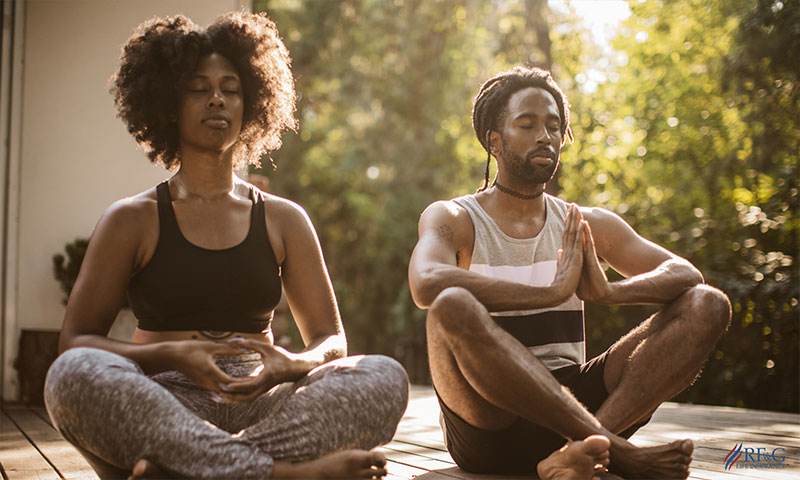
Rooted in yogic tradition, alternate nostril breathing balances the left and right hemispheres of the brain. It’s often used in meditation and is great for reducing anxiety and improving focus.
How to Do It:
- Sit in a comfortable position
- Close your right nostril with your thumb and inhale through the left nostril
- Close the left nostril with your ring finger, release the right nostril, and exhale through the right
- Inhale through the right nostril
- Close the right nostril and exhale through the left
Repeat: For 1–3 minutes
Why It Works:
This rhythmic breathing balances the nervous system, reduces mental chatter, and leaves you feeling refreshed and grounded.
5. Simple Counted Breathing (2:1 Ratio)
Best For: Quick relaxation and emotional grounding
This technique focuses on extending the exhale to slow down the body’s stress response. By making your exhale longer than your inhale, you signal your brain to relax.
How to Do It:
- Inhale through your nose for 4 seconds
- Exhale slowly through your mouth for 8 seconds
(Or choose any ratio where the exhale is twice as long)
Repeat: 5–10 rounds
Why It Works:
A longer exhale engages the parasympathetic nervous system, lowers cortisol, and instantly reduces feelings of tension or panic.
Tips for Making These Techniques More Effective
- Practice regularly: Even 5 minutes a day can build long-term resilience to stress
- Find your favorite: Experiment with different styles to see what suits your lifestyle
- Combine with movement: Try pairing breathing with stretching, walking, or gentle yoga
- Use anytime: These can be done at your desk, in bed, or even in a quiet restroom during a stressful day
Final Thoughts
Breathing is one of the simplest, most accessible tools you have for managing stress—and it’s available to you at any time. Whether you’re looking to relax before sleep, ease anxiety in the moment, or simply create more space for peace during the day, these breathing techniques offer a fast and natural solution.
Start with just one technique, stay consistent, and let the calm grow from there. When your breath slows, your mind follows.
Subscribe
You will receive the latest news and updates on your favorite celebrities!
Latest posts
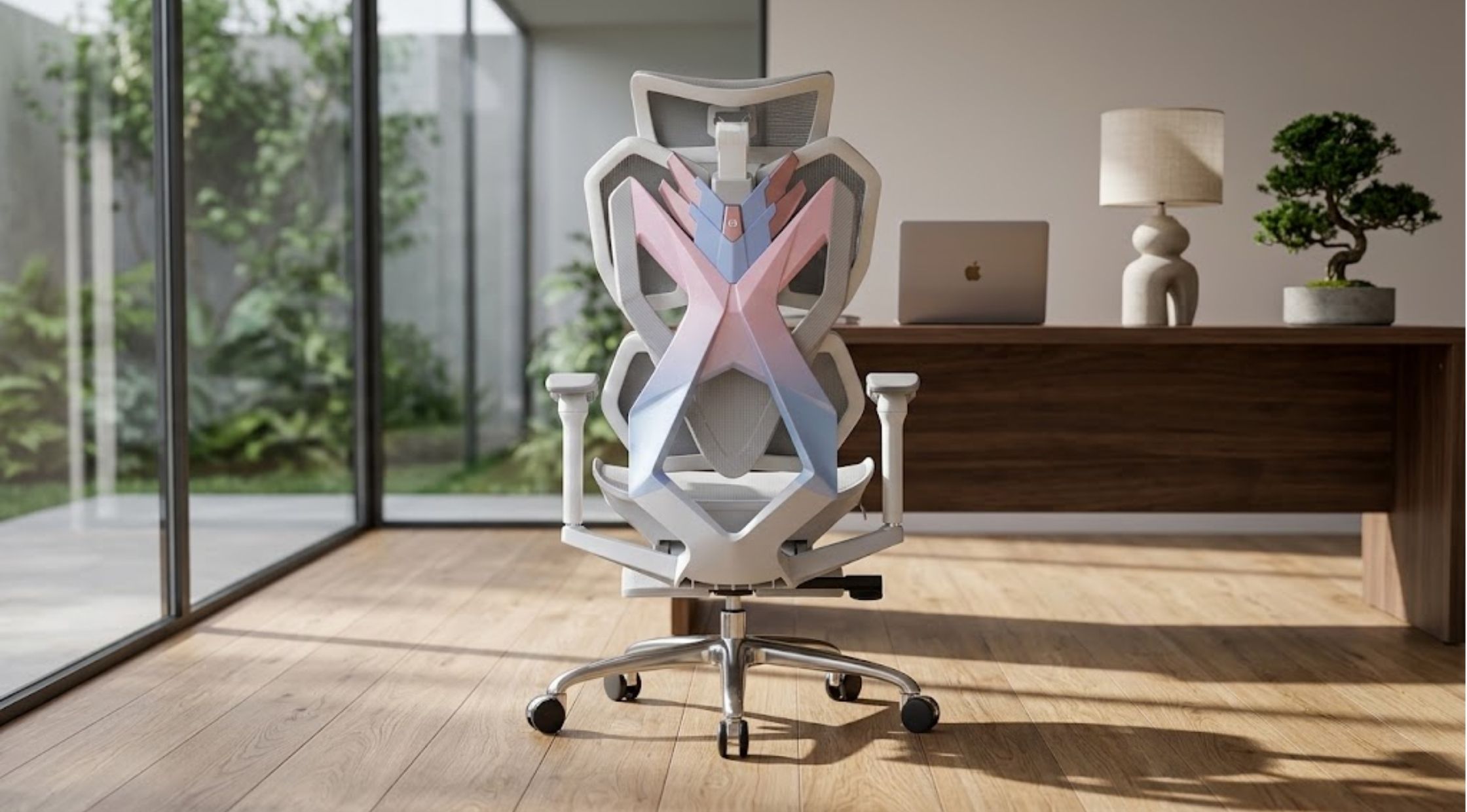
How to Choose the Right Sihoo Office or Gaming Chair
Spending long hours on the computer desk can be much more comfortable if you have a good office chair.

How to Build Skincare for Acne Prone Skin That Actually Works
If you have acne-prone skin, you probably know the frustration of trying product after product only to end up with more redness, dryness, or another unexpected breakout.