
Traveling on a Budget: How to See the World for Less
Seeing the world doesn’t have to come with a hefty price tag. With careful planning and the right strategies, budget travel can be just as fulfilling—if not more—than luxury vacations.
Seeing the world doesn’t have to come with a hefty price tag. With careful planning and the right strategies, budget travel can be just as fulfilling—if not more—than luxury vacations. Whether you’re dreaming of backpacking across Europe, relaxing on Southeast Asian beaches, or exploring hidden gems closer to home, traveling on a budget is entirely possible. This guide will show you how to explore more, spend less, and still have unforgettable experiences.
Set a Realistic Travel Budget
Before you book anything, determine how much you can comfortably spend. A clear budget will help guide all your decisions, from choosing destinations to booking activities. Start by listing all potential costs, including flights, accommodation, food, transport, attractions, travel insurance, and emergency funds. Allocate money for each category and stick to your limits. Many free online tools and apps can help track spending and compare prices in different countries.
Choose Budget-Friendly Destinations
Your destination plays a major role in how far your money will stretch. Some countries are naturally more affordable due to lower costs of living. Southeast Asia (Thailand, Vietnam, Cambodia), Eastern Europe (Romania, Bulgaria, Poland), Central America (Guatemala, Nicaragua), and parts of South Asia (India, Nepal) offer incredible value for budget travelers. Even within expensive countries, you can find regions or cities that are more affordable than the capital or tourist hotspots. Research local prices, currency exchange rates, and seasonal discounts before choosing your destination.
Be Flexible with Travel Dates
Flexibility can save you a significant amount of money. Airfare and accommodation prices vary widely depending on the time of year, day of the week, and even time of day. Traveling during the off-season or shoulder season (just before or after peak times) can cut costs dramatically and help you avoid crowds. Use flexible date search options on flight booking platforms to find the cheapest days to fly. Midweek flights and overnight buses or trains are often less expensive.
Use Flight Comparison Tools and Alerts
Finding cheap flights is a top priority for budget travelers. Use fare comparison websites like Skyscanner, Google Flights, or Momondo to compare prices across airlines. Set up price alerts to track fare changes and book when rates drop. Consider flying budget airlines or using lesser-known airports nearby if transportation from there is affordable. Booking round-trip tickets or bundling flights with hotels can also reduce overall costs.
Travel Light to Avoid Extra Fees
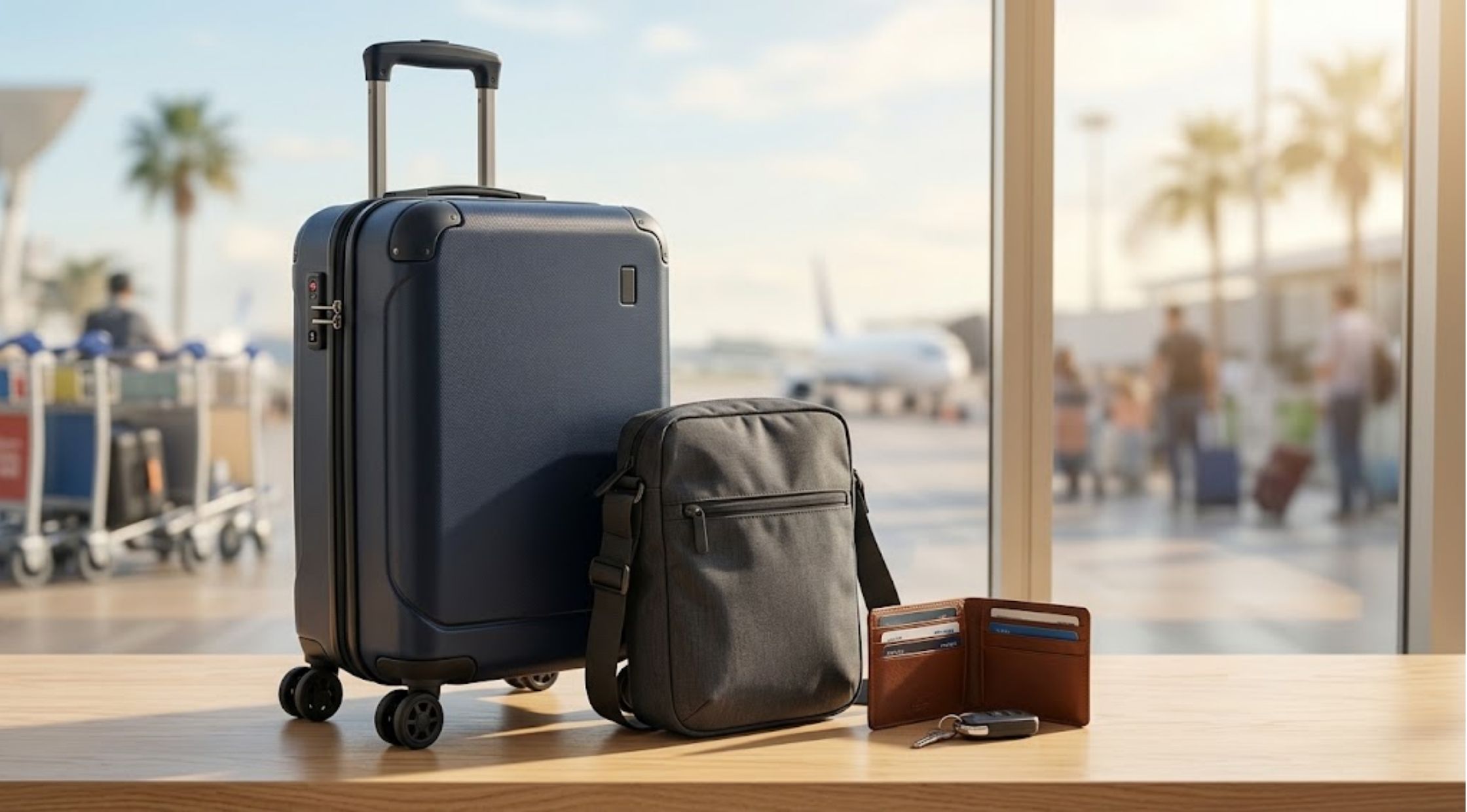
Pack efficiently to avoid checked luggage fees, especially if you're flying with low-cost airlines. Traveling with only a carry-on saves money and makes it easier to move between destinations. Stick to versatile clothing, pack travel-size toiletries, and use packing cubes to maximize space. Many budget airlines are strict about baggage limits, so double-check size and weight restrictions before you fly.
Affordable Accommodation Options
Hotels aren’t your only option. Budget travelers can save a lot by choosing alternative accommodations like hostels, guesthouses, homestays, or short-term rentals through platforms like Airbnb. Couchsurfing allows you to stay with locals for free while offering cultural exchange. In some regions, agritourism or volunteer-based stays (like WWOOF or Workaway) provide food and lodging in exchange for work. Booking accommodations with kitchens lets you cook your own meals and save on dining expenses.
Save on Food and Drink
Eating out for every meal adds up quickly. To stay within your travel budget, shop at local markets, cook your own meals, and pack snacks when you’re on the move. Street food is another great way to enjoy authentic local flavors at a fraction of restaurant prices. If you do eat out, look for set menus, lunch specials, or family-run eateries away from tourist areas. Carry a refillable water bottle to avoid buying drinks constantly, especially in countries where tap water is safe.
Use Public Transportation
Skip taxis and car rentals whenever possible and opt for public transportation. Buses, trains, subways, and trams are more cost-effective and offer a chance to experience daily life in your destination. In many cities, purchasing day or week passes provides unlimited travel and extra savings. Walking and biking are excellent zero-cost alternatives, especially in walkable cities. For longer distances, consider overnight buses or budget regional flights.
Take Advantage of Free Attractions and Activities
Many destinations offer a range of free or low-cost attractions. Museums often have free entry days, city walking tours are available at no cost (with tips appreciated), and natural sights like parks, lakes, and beaches are always free to explore. Attend local festivals, visit public markets, and watch street performers for affordable entertainment. Download offline maps and self-guided audio tours to explore cities without paying for guides.
Travel Slower, Stay Longer
Slow travel is not only budget-friendly but also more immersive. Spending more time in one place allows you to find better deals on lodging, understand local prices, and build deeper connections with the culture and community. It reduces transportation costs and the stress of constant movement. Many accommodations offer weekly or monthly discounts, and you’ll likely find hidden gems that typical tourists miss.
Earn While You Travel
If you’re planning long-term travel, consider ways to earn on the road. Teaching English, freelancing, remote work, or seasonal jobs can fund your adventures. Websites like Upwork, Fiverr, or FlexJobs offer remote work opportunities. Platforms like HelpX and Workaway allow travelers to work in exchange for housing and food. Many travelers also blog, vlog, or create content about their journeys to build income streams over time.
Use Travel Rewards and Loyalty Programs
Take advantage of travel rewards programs offered by airlines, hotels, and credit cards. Sign up for frequent flyer programs and earn points or miles on your bookings. Travel credit cards often come with welcome bonuses, free travel insurance, or cashback that can help offset trip expenses. Just be sure to pay off your balance each month to avoid interest charges.
Final Thoughts
Traveling on a budget doesn’t mean sacrificing experiences. In fact, many travelers find that tight budgets lead to richer, more meaningful journeys. By being resourceful, flexible, and intentional with your spending, you can see the world without breaking the bank. With the right planning and mindset, budget travel allows you to stretch your dollars and expand your horizons, one unforgettable adventure at a time.
Subscribe
You will receive the latest news and updates on your favorite celebrities!
Latest posts

How to Choose Healthy Food Products Without Complicating Your Daily Diet
Choosing better food seems simple until you face endless options.


Essential Travel Accessories: A Guide to Smart Luggage, AMA Wallets, and Go Free Crossbody Bags
Accessories that are functional, convenient, and organized make traveling much easier.